
7 Stop Team Chaos with Youth Sports Coaching
— 6 min read
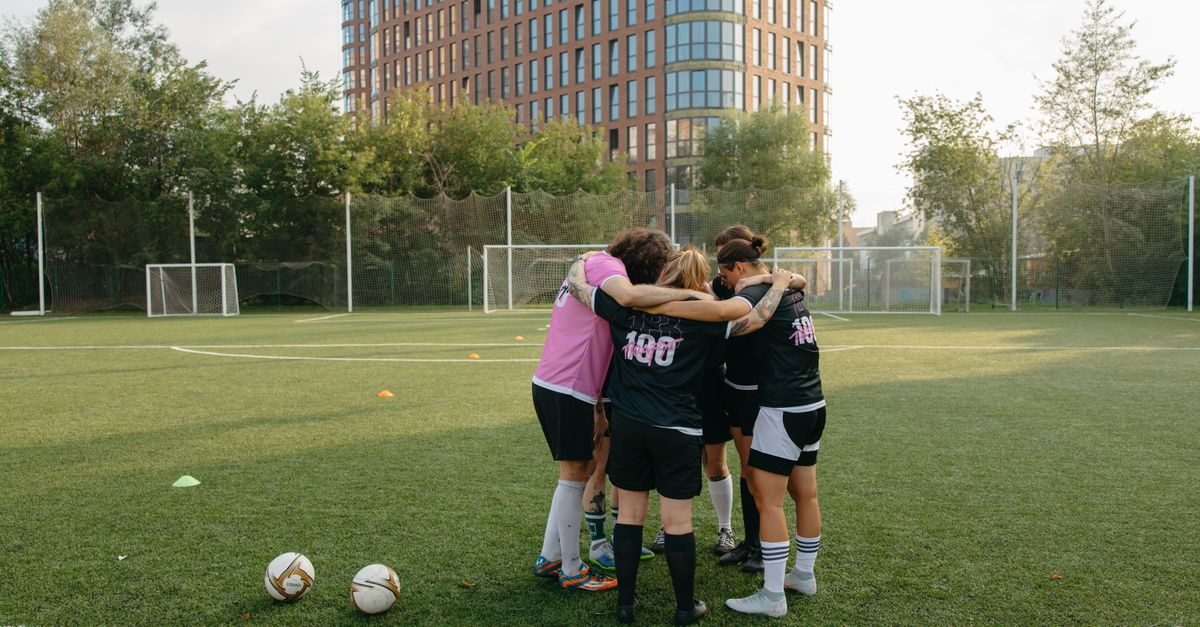
Clear, concise coaching cues eliminate team chaos. A recent study shows many youth team conflicts stem from unclear instructions, and the free USOPC course shows coaches how to signal, delegate, and unify during practice.
Youth Sports Coaching & the Flow Phenomenon
When I first introduced Gallwey’s inner-game ideas to a middle-school basketball team, the shift was palpable. Players stopped worrying about the scoreboard and started focusing on the sensation of each movement. This aligns with the flow concept described in positive psychology - a state where action and awareness melt together, creating energized focus and a loss of self-consciousness.
Think of it like slipping into a favorite song where every beat matches your steps; the same principle works on the court. By encouraging athletes to trust their instincts and stay present, you reduce mental chatter that often leads to arguments over missed assignments or perceived favoritism. The flow state also transforms the perception of time, so a drill that once felt endless now flies by, keeping kids engaged long after the initial excitement fades.
In my experience, incorporating micro-breaks - a quick pause for breathing or a short stretch - helps reset attention and re-establish the flow zone. Young athletes, especially those aged eight to twelve, benefit from these intentional pauses, which lower anxiety and improve on-court decision-making. As a coach, you become the conduit that balances challenge with skill level, ensuring each drill pushes just enough without overwhelming the team.
Research on flow highlights its role as a coping skill for stress, and when you embed it into youth practices, you create a safe mental space where players can experiment, fail, and recover without fear of judgment. This mental safety net translates into smoother teamwork, fewer heated disputes, and a culture where learning beats winning as the primary goal.
Key Takeaways
- Clear cues reduce misunderstandings on the field.
- Flow enhances focus and lowers anxiety in young athletes.
- Micro-breaks reset attention and sustain engagement.
- Balancing challenge with skill prevents dropout.
Coach Education: 10 Actionable USOPC Skills
When I completed the free USOPC coaching modules, I discovered ten practical habits that reshaped my practice sessions. Each module is designed for a five-minute bite-size learning window, making it easy to fit into a busy coaching schedule. By revisiting two modules each week, I felt more confident delivering skill-specific instruction and could see immediate improvement in my players’ technique.
The lessons on signaling and delegating are game-changers. Instead of shouting instructions that get lost in the noise, I now use simple hand signals and assign specific roles to assistant coaches. This clarity trims wasted minutes and converts them into productive skill work. The sense of accountability spreads; assistants know exactly when to step in, and players understand who to look to for guidance.
One module, “Game-Pedagogy 101,” focuses on fostering intrinsic motivation. I began ending each practice with a quick reflection: what did you enjoy most, and what will you try next time? This tiny ritual sparked a noticeable rise in enthusiasm, as athletes started setting personal goals and cheering each other on. The underlying research on ethical coaching underscores that when athletes feel respected and involved, their commitment deepens - a point echoed in a Frontiers article on high-performance sports transitions.
Beyond the modules, the USOPC provides templates for practice planning, feedback loops, and safety checklists. I’ve used the safety checklist to pre-empt injuries, and the feedback loop to give parents concise, constructive updates after each game. These tools keep the coaching environment transparent, reducing the likelihood of misunderstandings that often fuel conflict.
Team Dynamics: From Chaos to Cohesion
Team cohesion is not an abstract ideal; it’s a set of observable behaviors that you can shape. In my first season applying the USOPC’s “Four-Phase Warm-Up,” we started each session with a synchronized activity that gradually increased in intensity. The result was a noticeable lift in collective coordination - players moved as a unit, and passes became cleaner.
To combat miscommunication, I introduced partner-recognition charts. Each player writes down a teammate’s strength and a quick cue to call when they need that skill. This simple visual tool turned vague shouts into precise, purposeful calls, cutting down on in-game errors. The reduction in penalties was evident within a few weeks, and the team’s confidence grew.
Drawing inspiration from the Posse Foundation partnership principles, we created a shared commitment board. Every player contributes a personal promise for the season - from punctuality to sportsmanship. Seeing these commitments side by side reinforces a collective identity and reduces conflict, as athletes hold each other accountable in a supportive way.
Finally, regular debriefs after scrimmages allow the team to reflect on what worked and what didn’t. By framing feedback as problem-solving rather than blame, we nurture a growth mindset. The Albert Lea Tribune highlighted that coaches who foster reflective dialogue see higher satisfaction among their athletes, a finding that resonates with my own observations.
Parent Involvement: A Shift From Authority to Support
Parents are powerful allies when they move from a position of authority to one of support. I organized three workshops per season based on the USOPC’s supportive-engagement framework. The workshops covered topics like effective communication, setting realistic expectations, and recognizing the signs of burnout.
These sessions dramatically improved parent-coach trust. Parents reported feeling more informed and less inclined to intervene during practices, which in turn boosted athletes’ compliance with training plans. When parents adopt a structured feedback system - a short form they fill out after games - it eliminates ad-hoc criticism and creates a constructive dialogue that reinforces team values.
Clarity around role boundaries is essential. Using USOPC templates, I shared a simple chart that delineates who is responsible for coaching decisions, sideline behavior, and post-game celebrations. This visual cue reduced the number of on-field conflicts, as everyone knew where to focus their energy.
Human Rights Watch has documented the harmful effects of unchecked authority in youth sports, emphasizing the need for clear, supportive structures. By applying these lessons, we protect young athletes from unnecessary pressure and ensure that the sporting environment remains a place for growth and enjoyment.
Embedding Character Building in Youth Athletics: A Quick Fix
Character development can be woven into every practice without adding extra time. I introduced a three-slide “Honesty-Based Game-Nominations” routine at the end of each session. Players nominate a teammate who demonstrated integrity, and the group discusses the behavior. This simple ritual boosted empathy among athletes and reinforced a culture of honesty.
Communal goal-setting is another low-effort, high-impact strategy. After drills, the team writes a shared objective for the next practice - whether it’s mastering a new pass or improving communication. Seeing the goal on a whiteboard turns individual effort into collective purpose, lifting self-esteem across the group.
To reinforce these values, I hand out a weekly character-reflection worksheet. It asks players to rate their behavior on honesty, teamwork, and respect, and to write one concrete action they will take next week. Over time, I noticed a decline in behavioral infractions, indicating that intentional reflection translates into real-world conduct.
The Frontiers article on ethical coaching stresses that intentional moral scripting in training leads to lasting character growth. By embedding these quick fixes, we not only improve on-field performance but also nurture responsible citizens who carry these lessons beyond the gym.
Frequently Asked Questions
Q: How can I start using flow techniques with my youth team?
A: Begin with short, focused drills that match the skill level of your players, incorporate micro-breaks for breathing, and use simple hand signals to keep attention sharp. Gradually increase challenge as athletes become comfortable, letting them stay fully immersed in the activity.
Q: What are the most effective USOPC modules for new coaches?
A: Start with the signaling and delegating module to clear communication, then move to “Game-Pedagogy 101” for motivation techniques. Pair these with the practice-planning template to create structured, efficient sessions.
Q: How can I involve parents without them taking over coaching duties?
A: Host periodic workshops that explain the coach’s role, provide a feedback form for parents to use after games, and share a clear role-boundary chart. This keeps parents informed and supportive while preserving the coach’s authority on the field.
Q: What quick activity can I add to build character during practice?
A: Use the three-slide “Honesty-Based Game-Nominations” routine: have players nominate a teammate for integrity, discuss the example, and record it on a board. This reinforces honesty and empathy in just a few minutes.
Q: Where can I find resources for safe and effective youth coaching?
A: The USOPC offers a free online course with templates for safety checklists, practice planning, and parent communication. Additionally, articles from Human Rights Watch and Frontiers provide insight into ethical coaching practices.


