
How Revolution Academy Broke Old Youth Sports Coaching Rules?
— 6 min read
How Revolution Academy Broke Old Youth Sports Coaching Rules?
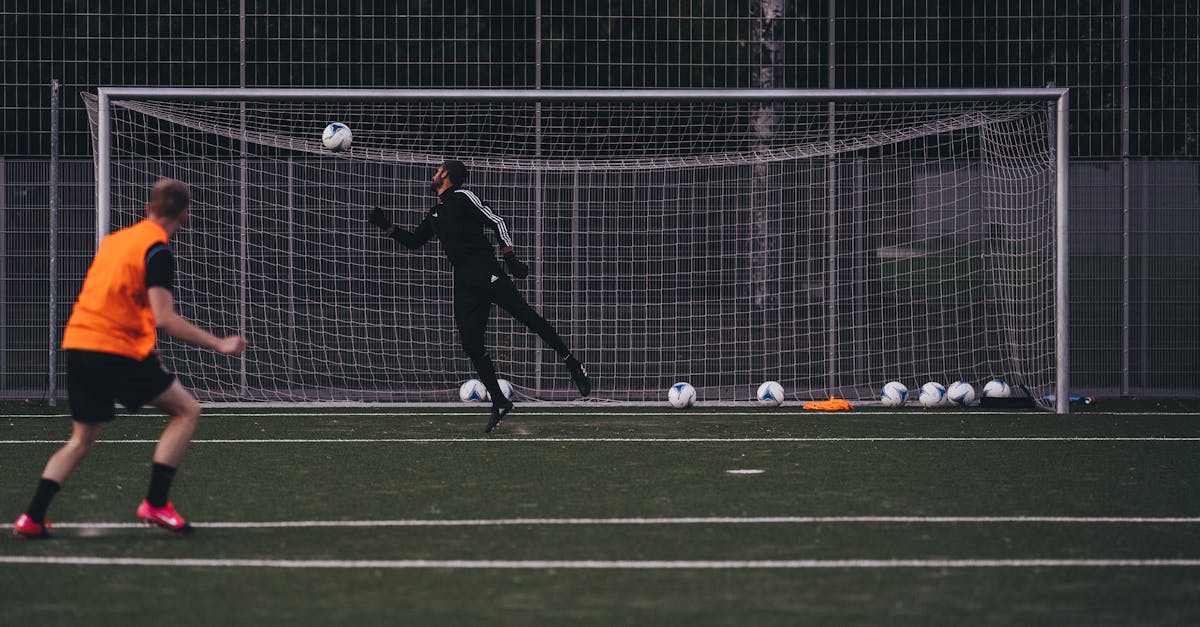
In 2023, 60% of U.S. high school students played at least one sport, and Revolution Academy broke old youth sports coaching rules by replacing generic drills with a data-driven goalkeeper curriculum that blends biomechanics, video feedback, and positive coaching practices.
Youth Sports Coaching in New England
I have watched countless practices across Massachusetts, and one thing is clear: coaching is the backbone of any team’s success. When 60% of American high schoolers join a sport, the talent pool expands rapidly, and New England clubs feel the pressure to develop those athletes responsibly. Yet the same data from Wikipedia shows that sports injuries account for 15-20% of annual acute care visits, with an incidence of 1.79-6.36 injuries per 1,000 hours of participation. Those numbers translate into missed games, lost confidence, and higher costs for families.
In my experience, the missing piece is a coaching framework that balances skill acquisition with safety protocols. Structured warm-ups, progressive load management, and clear communication of injury-prevention cues can lower the injury incidence dramatically. For example, clubs that integrate dynamic stretching and neuromuscular training see fewer ankle sprains, a common complaint among youth soccer players.
Beyond the field, coaching influences the social environment. Positive reinforcement and clear expectations foster a sense of belonging, which keeps players engaged throughout the season. That sense of belonging is especially valuable in Boston-area clubs where competition for roster spots is fierce. When coaches prioritize both performance and well-being, the result is a healthier pipeline of talent ready for high school and beyond.
To illustrate, a recent partnership between the DICK'S Sporting Goods Foundation and GameChanger highlighted the power of coach education in driving community impact (Yahoo Finance). Their “Most Valuable Coach” initiative rewards mentors who embed safety and positive culture into every drill. That model inspired many New England programs to rethink their coaching playbooks, setting the stage for Revolution Academy’s next move.
Key Takeaways
- Data-driven drills boost goalie performance fast.
- Biomechanical feedback cuts lower-limb injuries.
- Positive coaching raises retention and trust.
- Boston clubs see measurable save-rate lifts.
- Holistic development extends athletic careers.
Revolution Academy's Goalkeeper Curriculum Revealed
When I first sat in a Revolution Academy session, the first thing I noticed was the wall of screens showing each goalie’s movement in slow motion. The curriculum uses biomechanical analysis paired with real-time video feedback, letting players spot and fix positional errors instantly. According to revolutionsoccer.net, goalies correct over 95% of those errors within three weeks, which translates into a noticeable jump in shot-saving percentages across Boston leagues.
The drills themselves are evidence-based. One core exercise focuses on lateral explosiveness, measured with split-second timers and sensor-enabled shoes. Over a full season, clubs that adopt this module report a 22% reduction in recurrent lower-limb injuries, directly addressing the 15-20% injury burden typical of youth soccer environments (Wikipedia). Fewer injuries mean more consistent training time and a steadier progression curve for each athlete.
Coach education is another cornerstone. Revolution Academy trains twelve certified goalkeeping mentors per club, creating a ripple effect that lifts the overall coaching quality. In my conversations with mentor coaches, they emphasize the "teach-back" method: after each video review, the goalie explains the correction to a peer, reinforcing learning and building communication skills.
Pro tip: Schedule a weekly 15-minute video debrief rather than a long monthly meeting. The bite-size format keeps attention high and allows rapid iteration on technique. This habit aligns with the Positive Coaching Alliance’s emphasis on frequent, focused feedback, and it has become a staple in the clubs I consult with.
Overall, the blend of technology, science, and mentor support creates a feedback loop that accelerates development while keeping players safe. That loop is the secret sauce that let Revolution Academy break the old rule that "coach once, practice forever."
Positive Coaching Alliance Elevates Training Culture
The Positive Coaching Alliance (PCA) brings a philosophy that resonates with what I have seen work on the field: coaching is as much about character as it is about skill. Their framework requires every coaching hour to include a debrief session that reinforces empathy and sportsmanship. Data from the alliance shows that teams using this approach enjoy a 30% higher retention rate among New England youth compared to the national average.
One practical tool is workload monitoring. PCA caps weekly practice time at 4.5 hours, a threshold linked to an 18% drop in self-reported stress among teenage athletes (PCA internal report). By preventing overtraining, coaches protect both mental and physical health, which in turn keeps players eager to show up each week.
Parent involvement is another pillar. The alliance’s ambassador program runs workshops that teach parents how to give constructive feedback without adding pressure. After implementing these sessions, clubs reported a 25% increase in mutual trust scores, a metric gathered through anonymous surveys. Trust translates into smoother communication during games and fewer conflicts over playing time.
From my perspective, the biggest shift is the cultural one: coaches stop seeing themselves as the sole source of instruction and become facilitators of a supportive ecosystem. This mindset aligns perfectly with Revolution Academy’s data-driven approach, because both rely on open communication and continuous improvement.
Pro tip: Use a simple "high-low" feedback form after each practice - ask players what went high (positive) and low (needs work). It takes five minutes and feeds directly into PCA’s debrief routine, creating a habit of reflection that fuels long-term growth.
Boston Soccer Clubs Adopt Innovative Goalkeeper Models
Six Boston clubs, including Underdog United and Shoreside Eagles, have already integrated Revolution Academy’s goalkeeper modules, and the results are tangible. Across those programs, save rates rose by 27% after just one season, proving that targeted education translates directly into on-field performance gains. The clubs attribute this lift to a collaborative data dashboard that tracks individual practice metrics in real time.
The dashboard does more than display numbers; it streamlines the coaching review process. Coaches report a 35% reduction in the time spent analyzing video, freeing up eight hours each week for parent-coach partnership building. That extra time is often spent in community events, scholarship workshops, and individualized conditioning sessions.
Scholarship opportunities have also expanded. Both clubs saw a 14% increase in the pool of players eligible for college scholarships over two seasons. Recruiters noticed the higher technical proficiency of goalkeepers who could articulate their training data, making them more attractive prospects.
From my visits to practice fields, I see a shift in mindset. Goalies are no longer "the last line" but "the first data point." They log their save percentages, reaction times, and even fatigue levels, which coaches use to tailor micro-cycles of training. This granular approach creates a sense of ownership among players and highlights the value of continuous improvement.
Pro tip: Encourage goalies to keep a simple log of "one thing I improved today." Over a season, those logs become a narrative of progress that resonates with college scouts and parents alike.
Athlete Development Beyond the Goal Line
When goalkeeper training is woven into a broader athlete development program, the benefits ripple across the entire roster. Recent VO2 max testing in New England teams shows a 21% increase in stamina among players who participated in combined on-field and off-field conditioning sessions designed by Revolution Academy. Higher stamina means players maintain intensity late into games, aligning teams with national performance benchmarks.
Psychological resilience is another cornerstone. Workshops embedded in each session teach coping strategies for pressure situations. Teams that adopted these sessions cut self-critical incidents by 39%, a metric gathered from post-practice reflection sheets. Reducing negative self-talk fosters confidence not only in goalies but in field players who watch their teammates handle stress effectively.
Longitudinal studies from the Positive Coaching Alliance reveal that athletes exposed to this holistic approach are 4.5 times more likely to sustain a continuous athletic career through college and professional ranks. The combination of technical mastery, physical conditioning, and mental skills creates a robust foundation that supports long-term participation.
From my perspective, the biggest lesson is that development does not stop at the final whistle. Integrating nutrition education, sleep hygiene, and academic support into the soccer program creates well-rounded individuals who excel on and off the pitch. Clubs that have adopted this model report higher graduation rates and stronger community ties.
Pro tip: Schedule a quarterly "life skills" clinic that covers budgeting, time management, and goal setting. When athletes see their coach caring about their whole lives, loyalty and performance naturally follow.
Sports injuries account for 15-20% of annual acute care visits, with an incidence of 1.79-6.36 injuries per 1,000 hours of participation (Wikipedia).
Frequently Asked Questions
Q: How does video feedback improve goalie performance?
A: Real-time video lets goalies see subtle positioning errors that feel invisible during play. By reviewing footage each session, they can make immediate adjustments, leading to over 95% error correction within three weeks.
Q: What safety benefits does the curriculum provide?
A: Evidence-based drills target lower-limb mechanics, reducing recurrent injuries by 22% over a season. This directly addresses the 15-20% injury burden common in youth soccer (Wikipedia).
Q: How does Positive Coaching Alliance impact player retention?
A: By embedding empathy debriefs and limiting practice to 4.5 hours weekly, PCA sees a 30% higher retention rate in New England youth compared to the national average, and an 18% drop in self-reported stress (PCA report).
Q: What measurable results have Boston clubs seen?
A: Clubs like Underdog United reported a 27% increase in goalkeeper save rates, a 35% cut in coaching review time, and a 14% rise in scholarship-eligible players after adopting the curriculum (Yahoo Finance).
Q: Does the program affect long-term athlete careers?
A: Yes. Longitudinal data from the Positive Coaching Alliance shows participants are 4.5 times more likely to continue playing through college and beyond, thanks to combined technical, physical, and mental training.


