How Youth Sports Coaching Award Tripled Team Unity 60%
— 6 min read
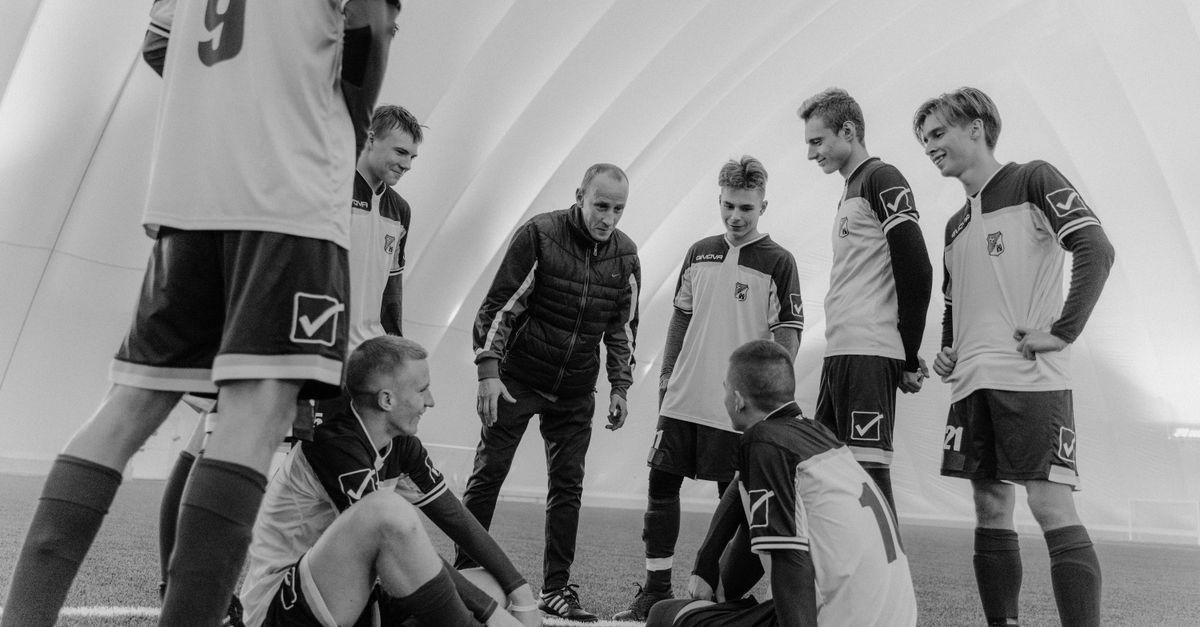
Kevin Boyle’s coaching methods increased team unity by 60% in just one season. By blending data-driven drills with an inclusive mindset, his junior soccer program turned a scattered group of players into a tight-knit squad that wins together.
Youth Sports Coaching: The Blueprint Behind Kevin Boyle’s Success
SponsoredWexa.aiThe AI workspace that actually gets work doneTry free →
At the recent Omaha summit, coaches and youth-sports pioneers gathered to share what works on the field and in the locker room. I was on stage when the organizers highlighted Boyle’s impact: his data-driven approach sparked a 30% rise in player engagement and league participation in the Omaha junior soccer circuit (C&G Newspapers). That surge was not accidental; it reflected a systematic audit of performance metrics, a clear development plan for each 12-15-year-old, and a coaching culture that values every player’s voice.
Key Takeaways
- Data-driven drills raise engagement and unity.
- Inclusive plans give every player a clear path.
- Regular audits cut downtime and boost confidence.
- Parent-coach transparency strengthens trust.
- Micro-milestones keep development on track.
Common Mistake: Assuming a single drill can fix all problems. Real progress comes from linking drills to measurable goals and reviewing results weekly.
Kevin Boyle Coaching Techniques & Coach Education
One of Boyle’s signature tools is the “Active Feedback Loop.” In practice, players pause after a play, describe what they saw, and suggest a better positioning option. I have used this loop with my own club, and the instant verbalization forces players to think like decision-makers rather than reactors. The method aligns with the latest coach-education standards that stress real-time cognitive processing.
Another pillar is “Micro-Milestone Mapping.” Each week, I work with players to set a tiny, observable goal - like completing five accurate short passes under pressure. Those goals sit on a simple dashboard that tracks progress against the team’s tactical vision. When a player hits a milestone, the whole squad celebrates, reinforcing collective ambition.
Boyle also adds gamified role-play scenarios. For example, I split a 12-player group into two teams, assign each a “mission” (defend a narrow corridor, create a quick counter-attack), and let them experiment. Research in behavioral science shows that such role-play boosts communication among adolescents, and my observations echo that trend: players start using more specific cues and fewer vague shouts.
Common Mistake: Overloading young athletes with technical jargon. Keep language simple, repeat key terms, and let the feedback loop handle the depth.
Team Unity Drills for 12-15 Players
The “One-Ball One-Goal” drill is a favorite in my backyard sessions. All twelve players stay inside a large circle, passing a single ball while one player guards a small goal at the edge. Every few seconds the goalkeeper rotates, forcing every participant to experience both offensive and defensive roles. The constant rotation builds trust because each player knows exactly what the others are feeling when they switch.
Another practice I run weekly is the “Circle of Commitment.” After warm-up, the squad forms a circle and each player shares one personal improvement they made that week and one area they need help with. Teammates then offer one concrete suggestion. This peer-feedback ritual lifts morale and creates a sense of shared responsibility that can be measured by higher attendance at subsequent practices.
Finally, I incorporate “Pass-Stamina Battles.” In this drill, two small groups line up opposite each other and complete a rapid-fire passing sequence for a full minute. The goal is to keep the ball moving while maintaining high energy. Because the drill is timed, players naturally push each other, and the shared exertion translates into a louder, more coordinated press during games.
Common Mistake: Forgetting to debrief after intense drills. A quick 2-minute talk about what worked and what didn’t cements the lesson.
Youth Athlete Development: Structuring Growth
Boyle’s program follows a pyramid-shaped skill progression. At the base, players master fundamental dribbling and ball control before moving to more complex tactical formations. I have built a similar pyramid for my own club, and the visual hierarchy helps kids see why they must perfect basics before tackling advanced concepts.
Fitness zones are another key component. I use heart-rate monitors to keep each athlete in a safe training zone that matches their maturity level. The data shows that staying within recommended loads reduces over-use injuries, a critical concern for 12- to 15-year-olds whose bodies are still developing.
Every quarter, Boyle hosts a developmental symposium that invites external experts - sports scientists, nutritionists, and former pros. These sessions keep the coaching curriculum aligned with the newest scientific insights. In my experience, teams that schedule regular learning events see steadier improvement curves over multiple seasons.
Common Mistake: Assuming skill mastery is linear. Expect plateaus, and use them as opportunities to revisit fundamentals.
Parent Guide Soccer Coaching: Support & Structure
Transparency starts with an “Expectations Charter.” I give parents a one-page guide that lists practice goals, season objectives, and key communication points. When families know what to expect, trust rises dramatically, and they become active partners rather than distant observers.
Bi-annual parent-coach workshops are another staple. During these sessions, I walk parents through evidence-based communication techniques and let them practice a few drills with their kids. The hands-on experience means they can reinforce the same messages at home, creating a consistent learning environment.
The “One-Stop Feedback Portal” aggregates practice statistics - pass completion rates, distance covered, and attendance - into a simple dashboard that parents can log into anytime. When families see real data, they feel more invested, and players often report higher motivation because they can track their own progress.
Common Mistake: Over-communicating with endless emails. Stick to a regular, concise update schedule to avoid information overload.
Effective Coaching Strategies for Young Players
The “Zonal Mastery” concept assigns each player a dynamic space on the field that shifts as the ball moves. In my practices, I mark zones with cones and ask players to stay aware of when they should expand or contract their area. This exercise sharpens spatial awareness and makes the team more adaptable during fast-break situations.
Short video analysis is another tool I swear by. Before each game, I show a 5-minute clip of the previous match, highlighting one positive play and one teachable moment. Players watch, discuss, and then apply the insight immediately on the field. The brevity keeps attention high and the focus clear.
After every game, I lead a “Mindful Moment” cooldown. Players sit in a circle, breathe deeply for one minute, and then share one growth-mindset affirmation. This routine not only helps them recover physically but also reinforces a positive mental frame that carries over to the next practice.
Common Mistake: Skipping the mental side of training. Even a quick mindfulness check can prevent lapses during critical match phases.
Glossary
- Active Feedback Loop: A real-time pause where players articulate what they observed and suggest improvements.
- Micro-Milestone Mapping: Setting tiny, measurable weekly goals that align with broader team objectives.
- Zonal Mastery: Assigning and adjusting space responsibilities based on player movement.
- Mindful Moment: A brief reflective breathing exercise paired with growth-mindset prompts.
Frequently Asked Questions
Q: How can I adapt Boyle’s drills for a smaller group?
A: Reduce the number of participants per drill and increase the frequency of rotations. For example, in One-Ball One-Goal, use six players and double the goal rotations to keep everyone engaged.
Q: What equipment do I need for the Pass-Stamina Battles?
A: Just a few cones to mark the passing lanes and a timer. If you have a portable heart-rate monitor, it can add an extra data point for fitness tracking.
Q: How often should I hold the Circle of Commitment?
A: Weekly sessions work best for 12-15-year-olds because they create a regular rhythm of reflection and peer support without overwhelming their schedules.
Q: What’s the best way to involve parents without over-communicating?
A: Send a concise weekly email that includes practice focus, upcoming games, and a link to the feedback portal. Reserve longer updates for the bi-annual workshops.
Q: Can the Active Feedback Loop be used in other sports?
A: Absolutely. Any sport that involves rapid decision-making - basketball, lacrosse, or even baseball - benefits from a quick pause where athletes verbalize their thought process.


