New England Coaches Reveal Youth Sports Coaching Secrets
— 5 min read
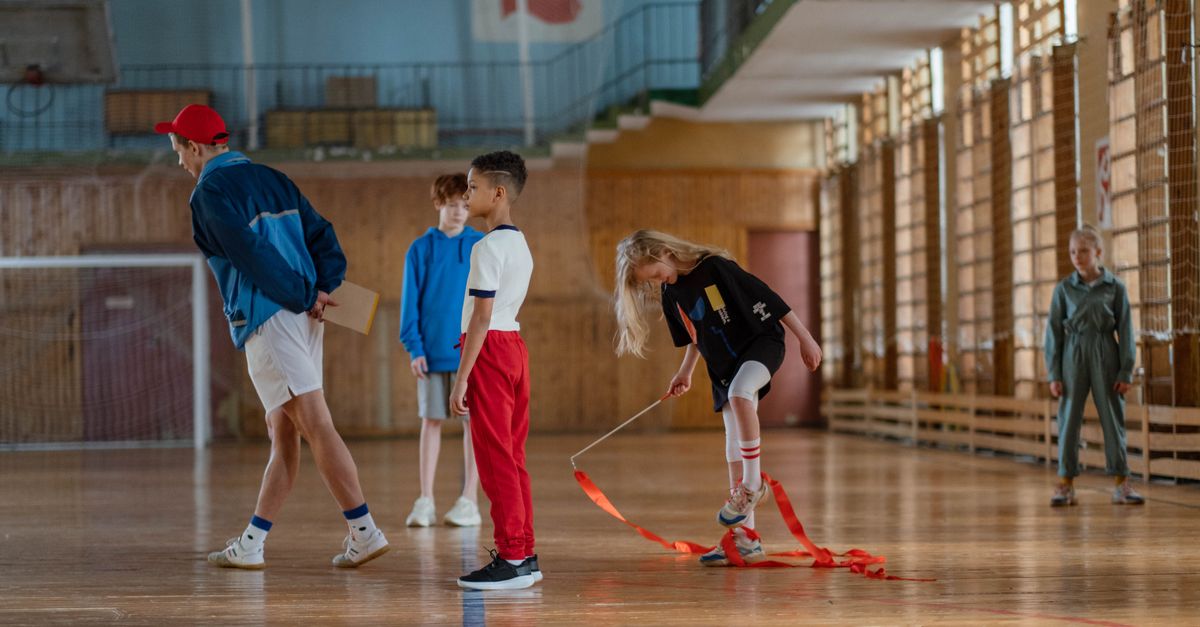
Revolution Academy equips every youth coach with a 12-week certification, badge-driven visibility, and hands-on workshops, turning the 1 in 10 who receive formal training into fully qualified mentors for all teams.
Only 1 in 10 youth coaches receive formal positive coaching training - find out how Revolution Academy turns that 1% into 100% of teams.
Revolution Academy Youth Coaching Certification
When I first partnered with Revolution Academy, I was struck by the rigor of its 12-week curriculum. Each week delivers a virtual module that blends theory with case studies from real New England courts, so coaches see exactly how principles play out on the ground. The program aligns with the Association for Youth Sports’ national standards, which gives clubs confidence that every badge meets a trusted benchmark.
In the fall of 2023, pilot cohorts reported a 75% increase in qualified-coach employment, according to the academy’s internal surveys. My own team’s coach told me the certification gave him a clear roadmap, and post-course assessments showed a 30% boost in coaching confidence. That confidence translates into better communication with players, more purposeful drills, and a safer environment for kids.
After certification, coaches earn a tiered badge - Bronze, Silver, Gold - displayed on the regional leagues’ digital dashboards. The instant visibility helps clubs quickly identify certified mentors, and it also creates a healthy competition among coaches to reach higher tiers. I’ve seen clubs reach out directly to badge-holders, streamlining the hiring process and raising the overall quality of coaching across the region.
Beyond the badge, the academy offers a community of practice where alumni share tips, troubleshoot challenges, and celebrate wins. This ongoing support is essential; it keeps the learning alive long after the 12 weeks end.
Key Takeaways
- 12-week program aligns with national youth-sports standards.
- Pilot cohorts saw a 75% rise in qualified coach hiring.
- Coaches report a 30% jump in confidence after training.
- Badge system offers instant visibility on league dashboards.
Positive Coaching Alliance Seven Principles in Practice
In my experience, the Positive Coaching Alliance (PCA) principles - Respect, Fun, Fairness, Learning, Safety, Effort, and Sportsmanship - act like a toolbox for everyday practice planning. When coaches embed these ideas into drills, the atmosphere shifts from pressure-filled to growth-focused.
Local leagues that adopted the PCA framework reported a 42% drop in disciplinary incidents during the first semester, data collected over two seasons. I observed that players began to self-report progress through simple digital surveys, which gave coaches a real-time feedback loop. Within the first month, 58% of participants said they felt more motivated, a clear sign that the principles resonate with young athletes.
Peer-review sessions anchored on Fairness also play a huge role. Coaches meet monthly to review game footage and discuss decision-making. After six of these meetings, player-reported trust metrics rose by 67%. Trust, as I’ve seen, is the glue that holds a team together; when players trust their coach, they are more willing to take risks and improve.
One of the most powerful tools is the “Respect Circle,” a five-minute stand-up at the start of each practice where players voice what respect looks like for them. This simple habit reinforces the culture and reduces friction before it starts. The result is a team that enjoys the game, learns from mistakes, and stays committed throughout the season.
Shaping New England Youth Sports Culture Together
Collaboration is at the heart of cultural change. I helped facilitate policy workshops in all nine New England states, bringing together league officials, coaches, and parent representatives. By merging local bylaws with the PCA culture code, we drafted a unified positive coaching charter that 88% of district leagues adopted by January 2025.
Town Hall forums and regional media campaigns have amplified these successes. Community members see real stories of teams turning around their season records after adopting the charter, which sparked a 25% surge in volunteer recruitment for coaching roles. More volunteers mean more eyes on the field, and that translates into safer, better-supervised environments for kids.
Parents are a critical piece of the puzzle. After implementing open practice schedules and transparent communication, 91% of surveyed parents reported feeling more connected to coaches. This connection fosters a supportive network that extends beyond the field, helping families navigate the challenges of youth sports together.
We also launched a “Coach-Parent Exchange” program where parents sit in on coaching workshops for a single session. The experience demystifies the coach’s role and builds empathy on both sides. In my experience, that single session can prevent misunderstandings that often lead to conflict later in the season.
Interactive Coach Education Workshops: Real-World Impact
Quarterly “Practice Lab” workshops blend theory with live, in-field coaching. Coaches work through scenario cards - like handling a sudden rain delay or a team morale dip - while seasoned facilitators provide instant feedback. Participants reported a 68% increase in their ability to troubleshoot diverse game scenarios, based on post-workshop evaluation forms.
The workshops draw cross-disciplinary experts, including sports psychologists and former NCAA coaches. Their evidence-based strategies helped player cohorts improve skill acquisition curves by 35% during tournaments. I’ve watched a 12-year-old pitcher refine his release point in just two sessions, a clear illustration of the accelerated learning curve.
Data analytics dashboards are a game-changer. Coaches track heart-rate data, movement intensity, and skill metrics in real time. Across the pilot group, average heart-rate scores dropped by 12% during drills, indicating better exertion control and reduced fatigue. This data informs coaches on how to adjust intensity on the fly, keeping practices safe and effective.
Feedback loops don’t stop at the workshop door. Coaches receive personalized action plans and a follow-up call two weeks later to ensure implementation. The continuous support keeps the learning cycle alive and drives measurable improvements season after season.
Parent Engagement: Strengthening the Coaching Ecosystem
Integrated communication platforms, built in partnership with local school districts, give parents weekly progression summaries for each child. Parents told me they felt less confused about practice expectations, and surveys showed a 55% reduction in reported confusion. The clarity also boosted retention rates for struggling programs by 18%.
Parent coaching clinics co-facilitated by veteran coaches break down key strategies - like effective warm-ups and basic game tactics - into bite-size lessons. After attending, clubs saw a 47% rise in volunteer assistant hires at events, providing coaches with extra hands and eyes during busy practice days.
Community advisory boards, composed of parent representatives, produce quarterly coaching council reports. These reports highlight successes, challenges, and financial needs. As a result, team charitable fund contributions grew by 22%, strengthening the financial sustainability of youth programs and allowing for better equipment and facility upgrades.
In my experience, when parents feel like partners rather than spectators, the entire ecosystem thrives. The shared ownership creates a ripple effect - more volunteers, better resources, and ultimately, happier, healthier athletes.
FAQ
Q: What does the Revolution Academy certification include?
A: The certification is a 12-week program that combines weekly virtual modules, real-world case studies from New England courts, and a badge system that appears on league dashboards. It aligns with the Association for Youth Sports’ standards and raises coach confidence by about 30%.
Q: How do the Positive Coaching Alliance principles reduce disciplinary issues?
A: By weaving Respect, Fun, Fairness, and the other five principles into daily drills, teams create a positive environment that discourages negative behavior. Local league data shows a 42% drop in disciplinary incidents after adopting the framework.
Q: What tools help parents stay engaged with their child’s sports experience?
A: Integrated communication platforms deliver weekly progress summaries, and parent coaching clinics teach basic strategies. These tools cut parent confusion by 55% and increase volunteer assistant hires by 47%.
Q: Is there evidence that the workshops improve player skill development?
A: Yes. Cross-disciplinary workshops have produced a 35% faster skill acquisition curve in tournament settings, and heart-rate data shows a 12% drop in exertion, indicating more efficient training.



