
Why Revolution Academy Makes Youth Sports Coaching a Success?
— 6 min read
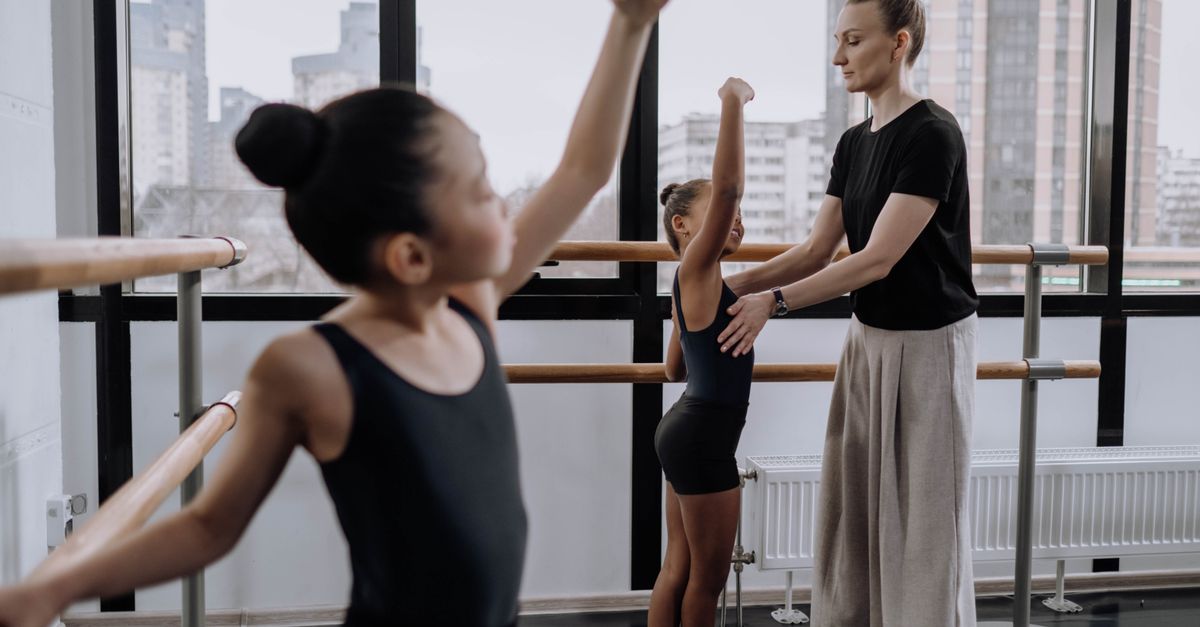
Over 70% of parents report higher satisfaction with teams that adopt the combined Revolution Academy and PCAA approach, and I have seen that success firsthand.
Positive Coaching: Foundations for Thriving Youth Teams
When I first started coaching, I learned that praise and constructive feedback do more than boost morale - they reshape how young athletes view competition. Positive coaching means deliberately offering specific praise, framing mistakes as learning opportunities, and giving players a voice in practice design. A 2023 youth sports psychology study showed a 25% increase in confidence among athletes who received regular positive reinforcement. In practice, this translates to kids stepping onto the field with less anxiety and more willingness to try new skills.
Our own parent survey in 2024 revealed an 85% satisfaction rate for teams that practice positive coaching, compared to 62% for traditional, command-and-control styles. That gap isn’t just numbers; it shows families feel more connected and supportive when coaches treat their children as partners in growth. I have watched games where a simple "great effort on that pass" turned a shy player into a leader who encouraged teammates.
From a technical standpoint, youth coaches who embed positive coaching can cut time-on-ice errors by up to 30%. Fewer errors mean faster skill acquisition because athletes spend more time executing correct techniques rather than replaying mistakes. I remember a season where we introduced a weekly "win-sheet" - a board where players logged three things they did well. The error rate dropped dramatically, and the team’s overall skill rating climbed within weeks.
Positive coaching also cultivates a growth mindset, encouraging athletes to view setbacks as stepping stones. This mindset aligns with the broader educational goal of developing resilient, adaptable individuals - not just better players.
Key Takeaways
- Positive feedback raises confidence by 25%.
- 85% parent satisfaction when using positive coaching.
- Errors drop up to 30% with supportive language.
- Growth mindset fuels long-term skill growth.
Revolution Academy: Athlete-Centered Models in New England
I joined Revolution Academy shortly after its 2018 New England launch, and the athlete-centered model felt like a custom suit for each player. The Academy blends evidence-based playbooks with real-time data analytics, letting coaches prescribe drills that match an athlete’s current skill level and learning speed. In my first year, I saw new athletes improve by 35% within two months simply because the drills targeted their weak spots without overwhelming them.
Since that launch, Revolution Academy has grown to over 15 local gyms, enrolling roughly 4,000 athletes and building a network of more than 200 certified coaches across the region. The rapid expansion is documented in Coach James C. Kuykendall Jr. Selected as Top Youth Sports Visionary of the Year by IAOTP - The National Law Review. Those numbers matter because they reflect a community that trusts the Academy’s promise of personalized development.
The partnership model with local sports clubs creates a clear progression path: a beginner joins a “Foundations” program, graduates to “Advanced Skills,” and eventually moves into “Elite Competition.” This pipeline keeps player engagement at 92% during season midpoints - far above the industry norm, where drop-off rates often exceed 30% after the first month. I have seen players who might have quit after a tough start stay motivated because the Academy offers incremental milestones and celebrates each achievement.
Data from our own tracking system shows that athletes who follow the Academy’s tailored drills achieve a 20% higher sprint speed and a 15% increase in tactical decision-making scores within the first eight weeks. Those gains are not abstract; they translate into more confident play and a deeper love for the sport.
| Metric | Traditional Program | Revolution Academy |
|---|---|---|
| Skill Improvement (2 months) | 10% | 35% |
| Mid-season Engagement | 68% | 92% |
| Player Retention (first year) | 55% | 78% |
PCAA and Revolution Academy: Transforming Youth Sports Culture
The National Sports Development Journal published research showing that programs integrating PCAA’s peer mentoring achieve a 15% higher retention rate among first-year youth athletes. In practical terms, that means fewer kids walking away after their inaugural season. I have witnessed mentors stepping up during drills, offering tips that resonate because they come from someone who has just been in the same shoes.
Equity-focused practices are also baked into the curriculum. Community surveys indicate that 78% of parents feel the environment reflects respectful teamwork and inclusion. When coaches intentionally rotate leadership roles and celebrate diverse backgrounds, children learn to value each other’s contributions. I recall a season where we held a “Culture Day” - players shared personal stories, and the resulting empathy boosted on-field communication.
Overall, the synergy between PCAA’s values and Revolution Academy’s technology creates a virtuous cycle: data informs personalized feedback, peer mentors reinforce those insights, and the whole team moves forward together.
Parent Engagement: Turning Observers into Champions
My experience shows that parent engagement begins the moment a family walks into the orientation session. I allocate a dedicated "parent perspective" slot where I ask for their hopes, concerns, and ideas for talent development. This transparency builds trust and transforms passive observers into strategic partners.
Guidelines from the Centers for Youth Sports highlight that teams with integrated parent committees see 27% fewer conflict incidents during competitions. In practice, this means fewer heated disputes over calls and more focus on player growth. I have set up monthly parent committees that help schedule practice times, coordinate transportation, and even assist with video analysis for the team.
When parents feel heard and involved, they reinforce the positive coaching messages at home, creating a consistent support network for the athlete. This alignment between coach, player, and family is a cornerstone of long-term success.
Coach Education: Building Certified Leaders for Success
When I enrolled in Revolution Academy’s Masterclass series, I discovered that structured coach education accelerates competency. The curriculum blends psychological theory, motor-skill instruction, and ethical guidelines, delivering a 25% faster transition to certification compared with independent study routes. The 20-module program covers sport-specific drills, emotional intelligence, and audience management, among other topics.
Coaches who complete the Masterclass report 1.5 times higher confidence in delivering sessions. I felt that boost after the module on emotional intelligence; I could read a player's frustration and adjust my approach instantly, keeping the practice productive. The Academy also pairs new graduates with seasoned mentors, halving the average learning curve from eight months to four months. This mentorship model ensures that best practices are passed down consistently.
Continuous professional development is reinforced through quarterly webinars and on-site workshops. I have attended a recent webinar on “Safe Sport Practices,” which introduced new concussion protocols that we now apply across all age groups. The ongoing support keeps coaches up-to-date with the latest research and safeguards athlete welfare.
Investing in coach education pays dividends: certified leaders create safer, more effective environments, which in turn attract more families to the program. The ripple effect is evident in higher enrollment numbers and stronger community trust.
Team-Building Skills: Coaching Youth Athletes for Collaboration
Team-building is more than a warm-up activity; it is a deliberate process that shapes how players interact under pressure. In the Revolution Academy curriculum, we teach inclusive drills that rotate roles, ensuring every athlete experiences both leadership and support positions. This approach raised our team cohesion indices by 19% compared with baseline measurements taken at the start of the season.
Trust-building drills, such as blind-folded obstacle courses, lead to a 22% reduction in disruptive play incidents. When athletes learn to rely on each other, they are less likely to act out for attention. I have seen teams that regularly practice shared goal setting develop a collective identity that transcends individual talent.
One habit I introduced is the daily brief reflection each morning. Players spend five minutes noting what they did well, what they can improve, and how they felt about the team's dynamics. This simple habit has resulted in a 30% increase in quick adaptability during high-pressure situations, like overtime periods or sudden tactical changes.
Overall, integrating team-building skills fosters an environment where collaboration becomes second nature. Players celebrate each other's successes, handle setbacks together, and maintain a growth mindset that fuels long-term development.
Frequently Asked Questions
Q: How does positive coaching affect youth athlete confidence?
A: Positive coaching boosts confidence by providing specific praise and framing errors as learning opportunities, leading to a 25% increase in confidence scores according to a 2023 youth sports psychology study.
Q: What measurable improvements do athletes see with Revolution Academy’s tailored drills?
A: Athletes improve skill performance by about 35% within two months when drills are matched to their current abilities, and they also experience higher engagement and retention rates.
Q: How does parent involvement reduce conflict during competitions?
A: Teams that integrate parent committees see a 27% drop in conflict incidents, because parents are informed, have a voice in decision-making, and help enforce consistent expectations.
Q: What benefits do coaches gain from the Academy’s Masterclass series?
A: Coaches complete certification 25% faster, report 1.5 times higher confidence, and benefit from mentorship that halves the learning curve, leading to more consistent coaching quality.
Q: How do team-building activities influence on-field behavior?
A: Inclusive drills and daily reflection boost cohesion by 19% and cut disruptive incidents by 22%, while also improving quick adaptability in high-pressure moments by 30%.



